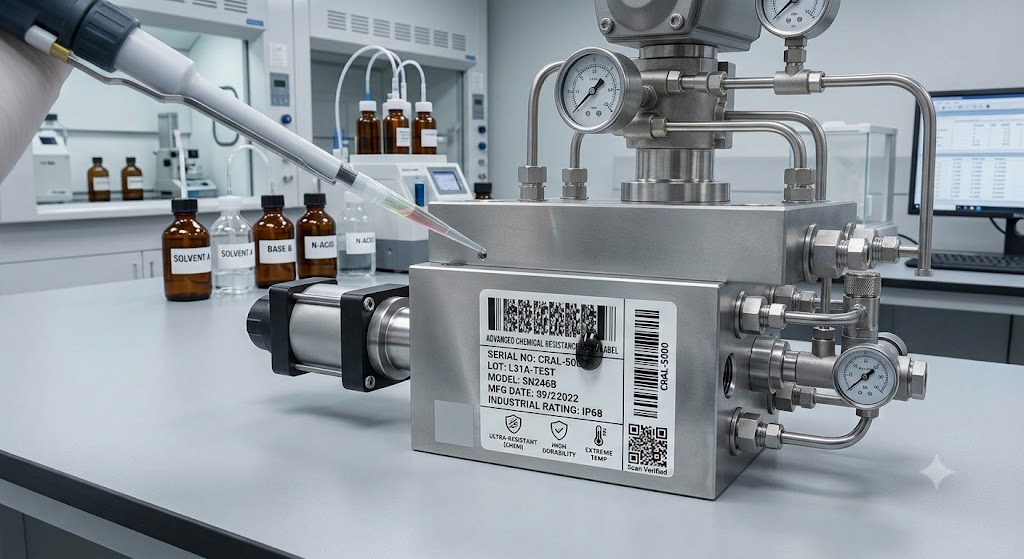
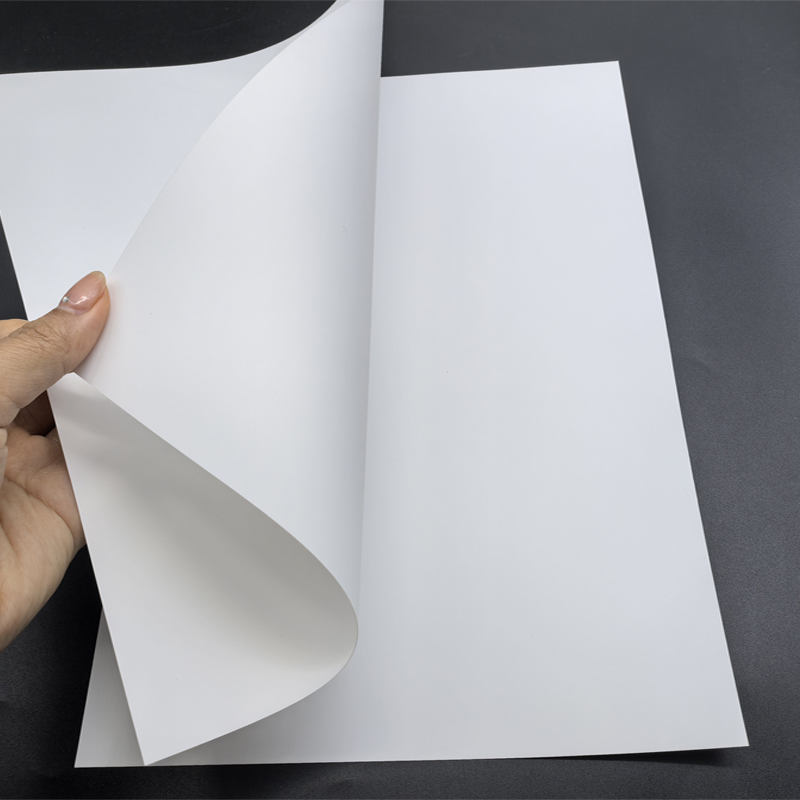
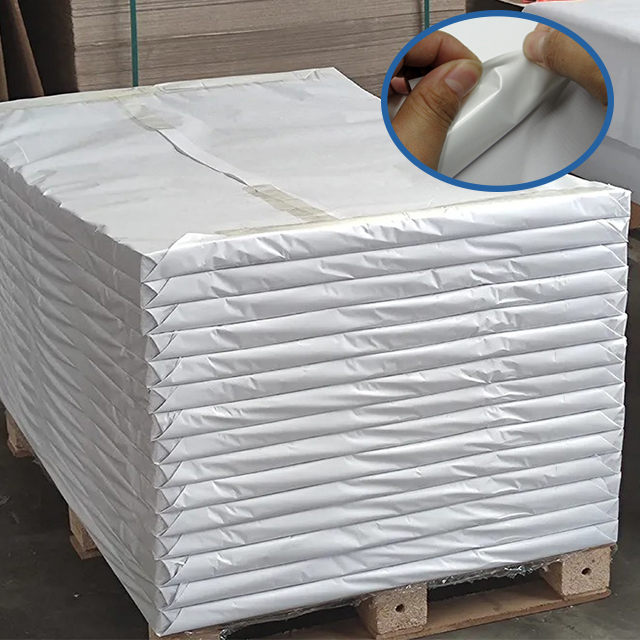
PET Synthetic Paper is designed for demanding applications where ordinary paper cannot meet durability requirements. It combines excellent printability with outstanding resistance to moisture, chemicals and dimensional changes, making it an ideal material for industrial labels, durable packaging and long-life printed products.
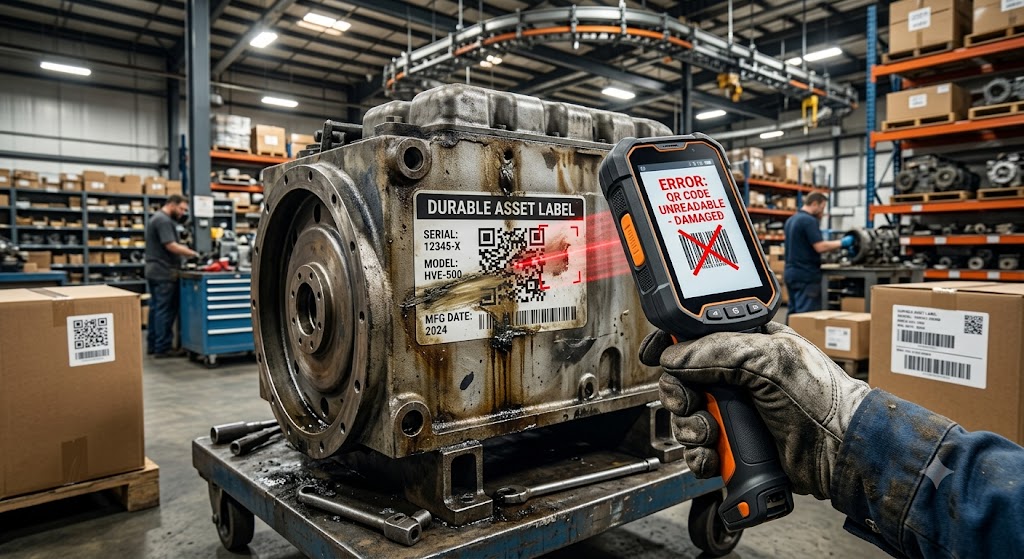
Not every printing project fails because of poor printing.
Many failures begin with the wrong material selection.
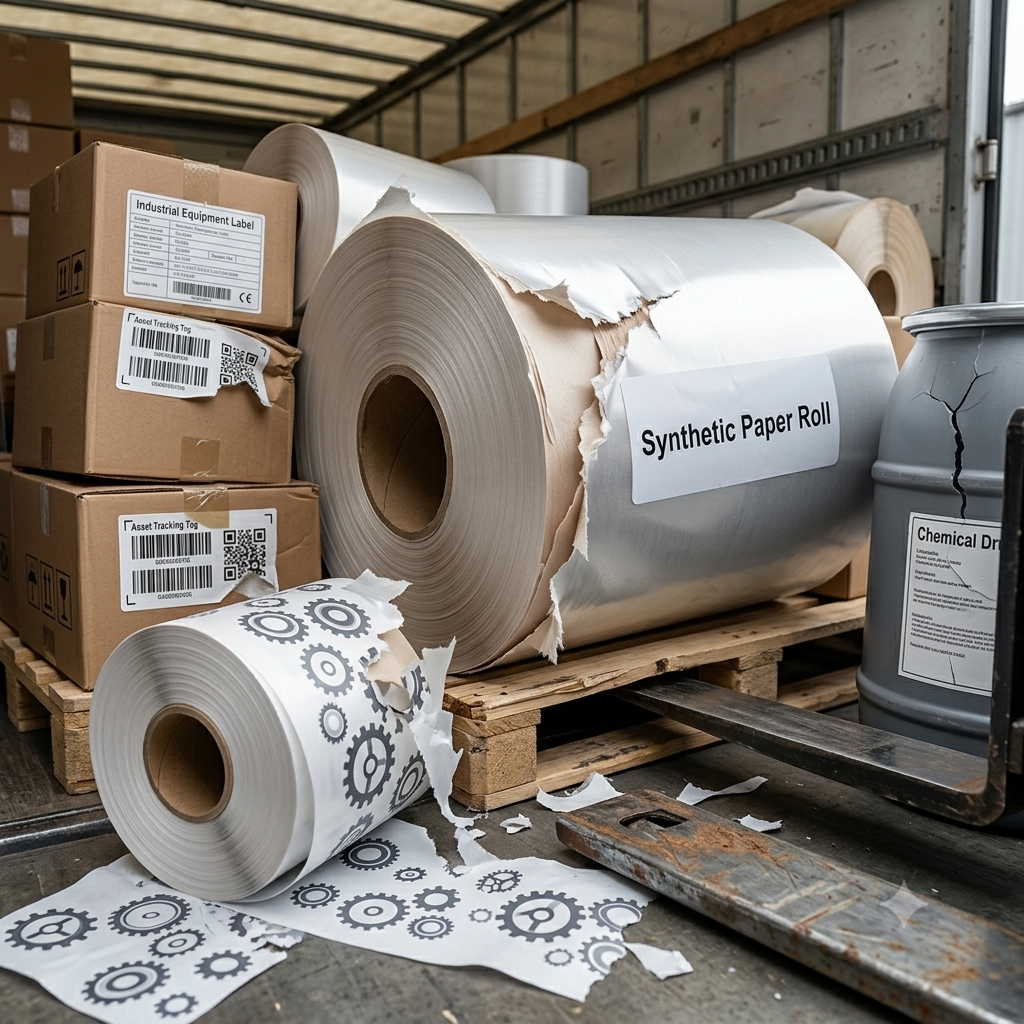
Paper absorbs moisture, curls during production, tears during transportation and loses dimensional stability under heat or humidity. For industrial labels and long-life graphics, these problems often lead to higher replacement costs, production delays and
customer complaints.
When performance matters, selecting the right substrate becomes part of your manufacturing process—not simply a purchasing decision.

PET does not absorb water like conventional paper, helping labels and printed graphics remain flat and readable in humid or refrigerated environments

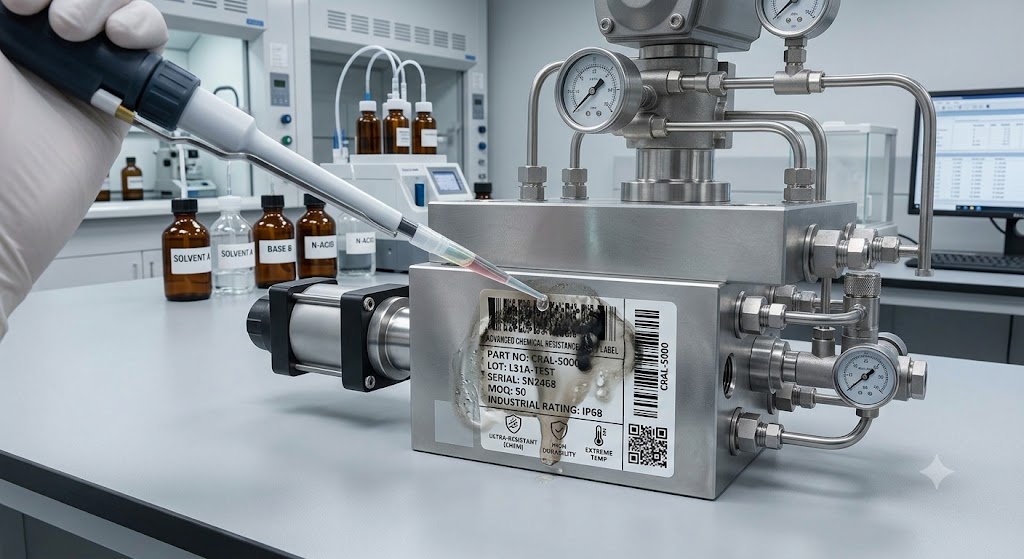
Suitable for labels exposed to oils, cleaning agents and industrial chemicals.

Compatible with UV, offset, flexographic, screen and digital printing technologies.

Excellent stability minimizes expansion or shrinkage during printing and converting, improving registration accuracy for demanding production runs.
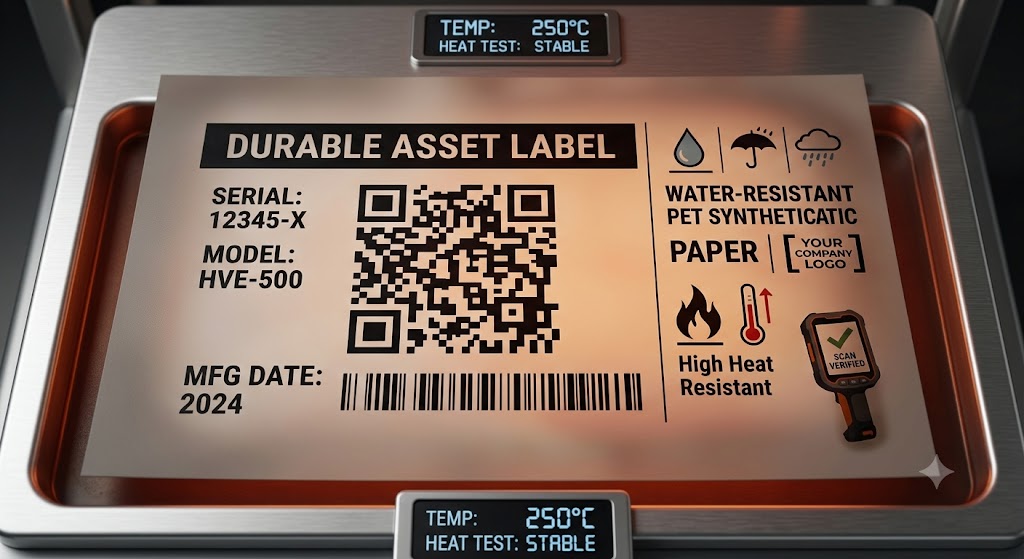
PET Synthetic Paper is engineered for applications where traditional paper materials cannot provide sufficient durability. With excellent waterproof performance, chemical resistance, tear resistance, and dimensional stability, PET materials help manufacturers create reliable labels and identification solutions for demanding environments.
| Application | Common Challenges | Why Choose PET Synthetic Paper | Recommended Solution |
|---|---|---|---|
| Industrial Labels | Exposure to oil, chemicals, moisture, abrasion, and harsh working environments. | Excellent chemical resistance, waterproof performance, and long-term durability ensure stable identification. | 50μm / 75μm Matte White PET Film with High-Tack Solvent Adhesive |
| Electronics Labels | Require precise dimensions, clean appearance, and reliable barcode readability. | High dimensional stability and smooth printing surface support precision labeling requirements. | 50μm Glossy/Matte Silver or White PET with Heat-Resistant Acrylic Glue |
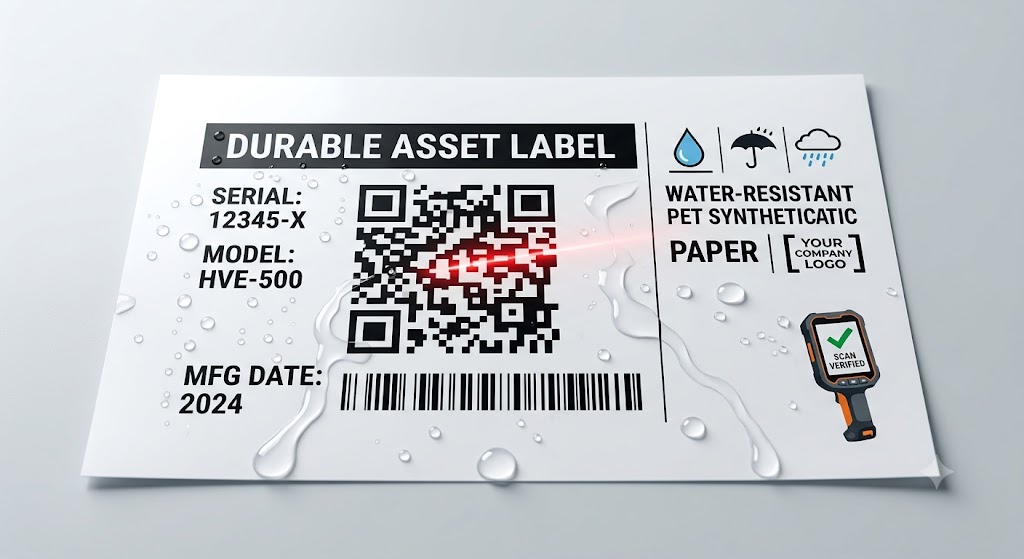
| Asset Tags | Labels must withstand frequent handling, outdoor exposure, and long service periods. | Tear-resistant PET material provides excellent durability for permanent identification. | 100μm Heavy-Duty PET Synthetic Paper with Permanent Strong Adhesive |
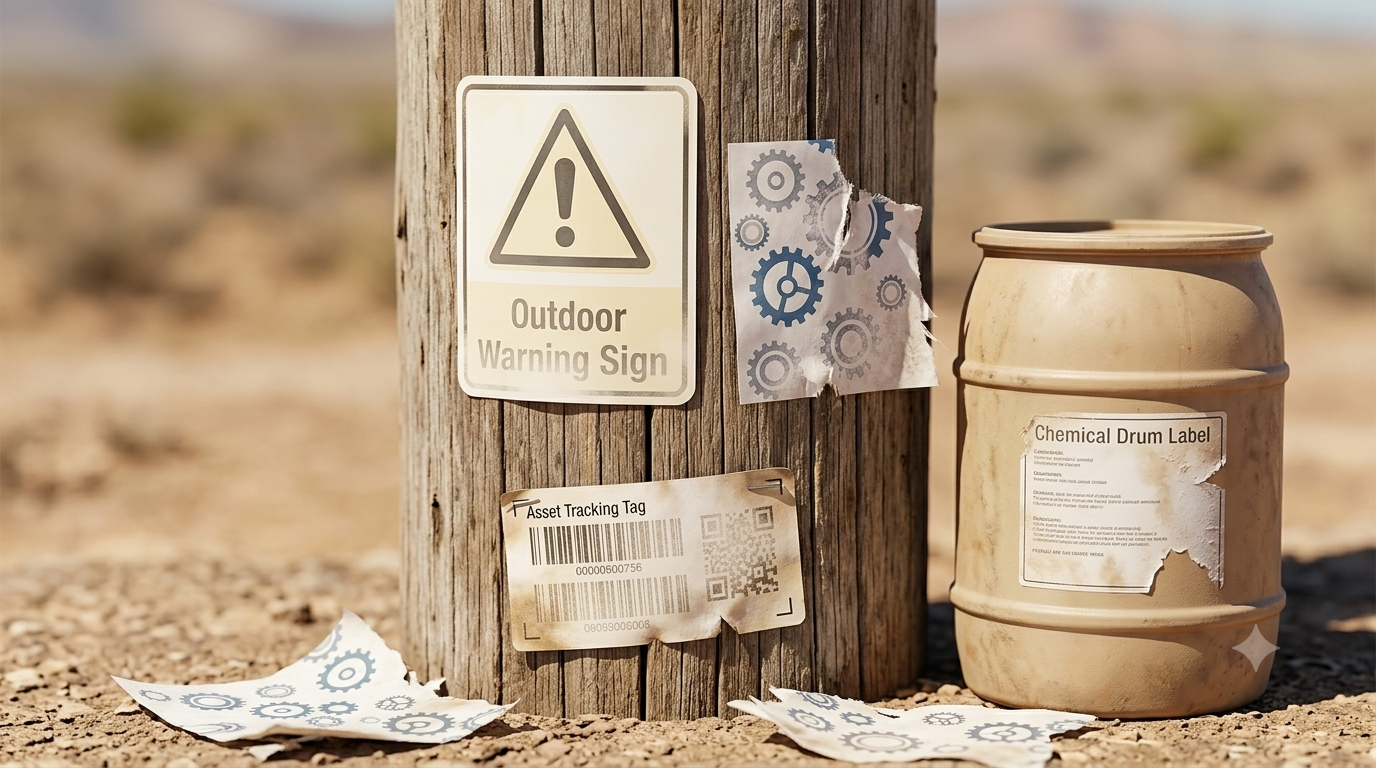
| Outdoor Labels | Exposure to rain, sunlight, temperature changes, and weather conditions. | Waterproof and stable PET performance helps maintain label appearance and readability. | 75μm / 100μm UV-Stabilized Weather-Resistant PET Label Stock |
| Automotive Labels | Contact with heat, oil, chemicals, and demanding operating environments. | Strong resistance against environmental stress improves label lifespan. | Industrial-Grade High-Temperature PET Material (Customized Liner) |
| Pharmaceutical Labels | Need clean printing quality, reliable tracking, and resistance to moisture. | Smooth surface and stable performance support high-quality printing and identification. | 50μm Ultra-Clear or Pure White PET Film (Compliant with Medical Standards) |


PET Synthetic Paper is a polyester-based printable material designed for applications requiring excellent durability, waterproof performance, and dimensional stability. It is widely used for industrial labels, asset tags, electronics labels, and other long-lasting identification applications.
PET Synthetic Paper offers higher dimensional stability, better heat and chemical resistance, and greater durability than PP Synthetic Paper. While PP is commonly used for commercial printing and general-purpose labels, PET is preferred for industrial, outdoor, and long-term labeling applications.
PET Synthetic Paper is compatible with a variety of printing technologies, including UV printing, offset printing, screen printing, flexographic printing, and thermal transfer printing. The most suitable printing method depends on the surface coating and application requirements.
PET Synthetic Paper is commonly used for industrial labels, electronics labels, asset tags, chemical labels, automotive labels, and outdoor identification where durability, moisture resistance, and reliable print quality are essential.
Yes. We offer customized solutions, including thickness, surface finish (matte or glossy), roll width, sheet size, and other specifications to meet your printing and converting requirements.
Yes. Free samples are available for evaluation. Based on your application, printing method, and performance requirements, our team can recommend the most suitable PET Synthetic Paper before you place a bulk order.