
 English
more 

 English
Consistent quality. Shorter lead times. One integrated supply chain.
The Three Decisions Behind Every Self-Adhesive Label
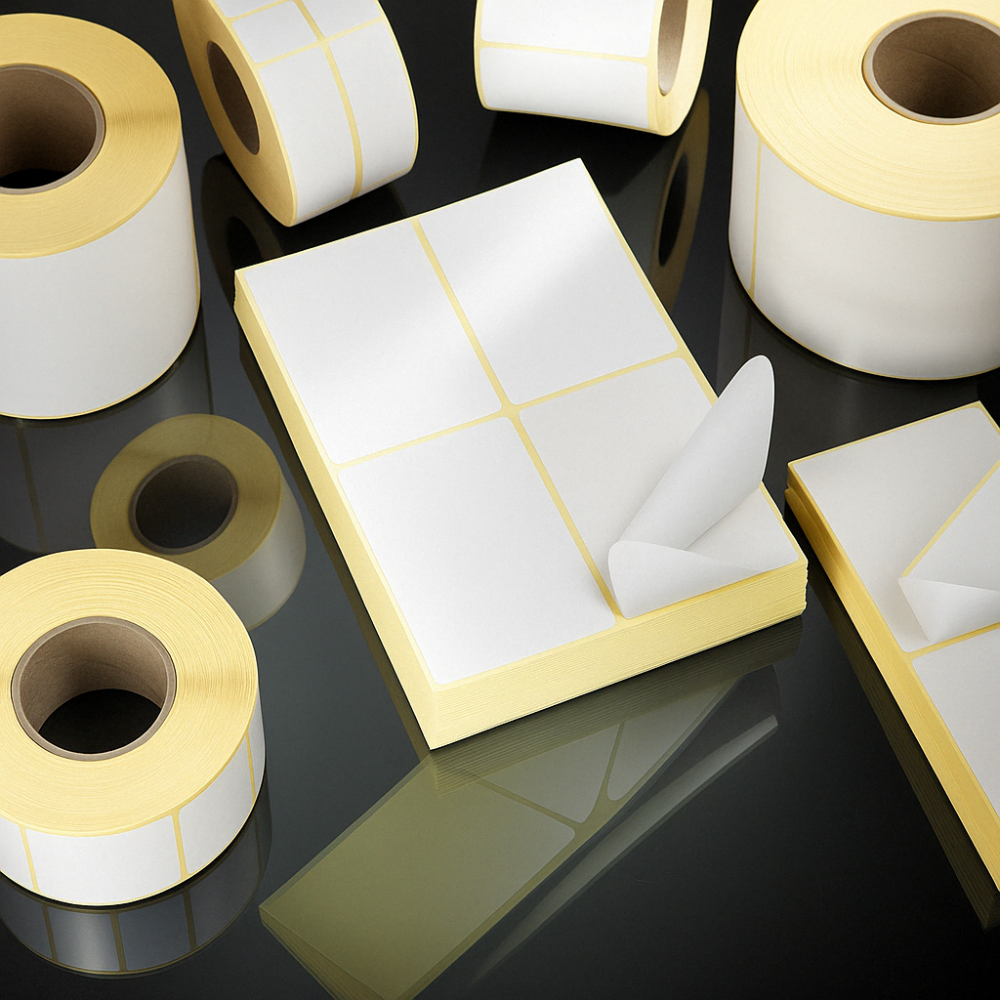
Facestock PET, PP synthetic paper, coated paper, thermal paper, BOPP or kraft – all with varied printability and environmental endurance. | Adhesive chemistry Hot-melt, water-based emulsion, or acrylic – all with varied temperature range, peel force, and reclosure factors. | Liner choices CCK, glassine, PE, or PET, designed for your converter's die-cutting and your label printer's release-force range. |
LIZHENG supplies all three layers and combines them into nine engineering-designed factors. The rest of the page explains each layer choice, the optimum application matrix, and the supply-aggregation model – all so you can match up your end-product with an available substructure. | ||
Buyer focus: Engineering Managers (primary)With all pressure-sensitive label combinations the same three-layer concept may seem overly simplified but it isn’t-eshrown, peeled, and lifted, it’s just what the layer does in terms of application and failure response that matters

| Facestock | Surface Weight / Thickness | Temperature Range | Key Resistance Properties | Typical Print Methods |
|---|---|---|---|---|
| Coated Paper (Semi-Gloss) | 70-80 GSM | -20°C to +60°C | Print quality, cost-effective | Flexo, digital, thermal transfer |
| Thermal Paper (Direct) | 55-80 GSM | -15°C to +50°C | Direct thermal print, top-coat options | Direct thermal only |
| PET Film | 50-75 microns | -40°C to +150°C | Chemical, UV, abrasion, tear | Flexo, screen, thermal transfer |
| PP Synthetic Paper | 60-85 microns | -30°C to +90°C | Moisture, oil, chemical | Flexo, digital, thermal transfer |
| BOPP | 40-60 microns | -20°C to +100°C | Clarity, tensile strength | Flexo, digital |
| Kraft Paper | 70-90 GSM | -10°C to +60°C | Eco-positioning, recyclability | Flexo, digital |
| Metallic / Metalized PP | 50-70 microns | -20°C to +90°C | Reflective sheen, premium shelf appeal | Flexo, digital |
| Polyethylene (PE) | 60-80 microns | -30°C to +80°C | Conformability on squeezable bottles | Flexo, digital, UV inkjet |
Need the Right Self-Adhesive Paper for Your Application?


