
 English
more 

 English
 Views: 0 Author: Site Editor Publish Time: 2025-04-14 Origin: Site


Many businesses assume that photo paper can be recycled because it looks similar to regular paper. However, the recycling process becomes more complicated because most photo papers contain special coatings, waterproof layers, and chemical treatments designed to improve image quality.
For printing companies, photographers, packaging suppliers, and brands, choosing the wrong photo paper can create sustainability challenges, higher disposal costs, and difficulty meeting environmental requirements from customers.
This guide explains what photo paper is made of, why some types are difficult to recycle, and how to choose more sustainable photo printing materials for professional applications.

Unlike standard printing paper, photo paper is engineered for high-resolution image reproduction. It usually contains multiple layers designed to improve brightness, color accuracy, ink absorption, and durability.
Base Layer:Provides thickness, stiffness, and structural support.
Ink Receiving Layer:Controls ink absorption and improves image sharpness.
Surface Coating:Creates glossy, satin, or matte finishes while protecting printed images.
These coatings improve printing performance but may also make recycling more difficult compared with ordinary paper.

The biggest challenge is not the paper itself, but the additional coatings and materials added to achieve premium printing performance.
Plastic Coatings:Glossy photo papers often use resin coatings that prevent fibers from separating easily during recycling.
Chemical Treatments:Some specialty photo papers contain additives that require additional processing.
Mixed Materials:Certain photo media combines paper, film, and synthetic layers, making recycling more complicated.
There is no single "best" photo paper for every project. The right choice depends on printing method, durability requirements, and sustainability goals.
Choose photo paper with optimized coating technology that provides excellent color reproduction while reducing unnecessary material layers.
Consider materials that balance image quality, durability, and environmental requirements.
Select photo media with better moisture resistance and dimensional stability to reduce replacement frequency and waste.
Knowing what type of photo paper you’re using is the first step in figuring out if it can be recycled. Here’s a comparison of common types:
| Type of Photo Paper | Common Uses | Recyclable? |
|---|---|---|
| Glossy Inkjet Photo Paper | Home printing, photo albums | Sometimes |
| Matte Photo Paper | Posters, brochures, flyers | Often |
| RC (Resin-Coated) Paper | Professional photo prints | Rarely |
| Silver Halide Paper | Darkroom photography | No |
| Eco-Friendly Photo Paper | Sustainable media, green printing | Yes |
In general, matte photo paper with no plastic content stands the best chance of being recyclable. High-gloss and resin-coated types are the most problematic.
| Feature | Glossy Photo Paper | Matte Photo Paper |
| Image Effect | High contrast | Natural appearance |
| Surface | Resin coating | Less reflective coating |
| Best For | Photography display | Documents, artwork |
| Recycling Difficulty | Usually higher | Often easier |
For businesses purchasing photo paper in bulk, sustainability is only one part of the decision. A reliable supplier should also provide:
Consistent coating quality
Stable printing performance
OEM customization options
Technical support for different printers
Reliable global supply capability
Professional photo printing projects require a balance between image quality, durability, and responsible material selection.
For companies looking for improved durability and reduced replacement frequency, synthetic-based printing materials can be an alternative solution.
Synthetic photo paper provides water resistance and higher durability.
It performs well in demanding environments.
It reduces waste caused by damaged prints.
If you’re not sure what type of photo paper you have, there are two simple ways to test it:
Tear Test: Try tearing the paper. If it rips easily like regular paper, it might be recyclable. If it resists or feels rubbery, it likely contains plastic.
Soak Test: Place a small piece in warm water. If it softens and breaks apart, it may be pulp-based and recyclable. If it floats, stays firm, or shows greasy residue, it’s probably plastic-coated.
These DIY methods won’t give lab-level results, but they can help you make an educated guess.
If your photo paper can’t be recycled, don’t throw it out right away. There are creative ways to reuse it. This extends its life and reduces waste.
Make gift tags from old photo prints
Use scraps as bookmarks or decorations
Create greeting cards and holiday crafts
Turn it into packaging filler for fragile items
Use in educational art projects or photo collages
These reuse ideas are especially great for households, schools, and DIY businesses.
For larger quantities, check with your local recycling center. Some facilities accept mixed material waste on designated collection days. Others offer drop-off programs for specialty items.
Yes—and the market is growing. As consumers push for greener solutions, manufacturers are responding. Eco-friendly photo paper avoids plastic and uses water-based or mineral coatings instead.
Some new types use micro-porous surfaces made of clay or silica. These deliver excellent print quality but break down like regular printing paper during recycling.
When choosing paper, look for:
PE-free or plastic-free labels
FSC certification for responsibly sourced fibers
Compostable or biodegradable claims
Water-based or resin-free coatings
For example, Foshan Lizheng New Material Co., Ltd. develops sustainable synthetic and composite papers, including PP-based photo paper with no PE film. These products offer vibrant prints and are compatible with paper recycling systems.
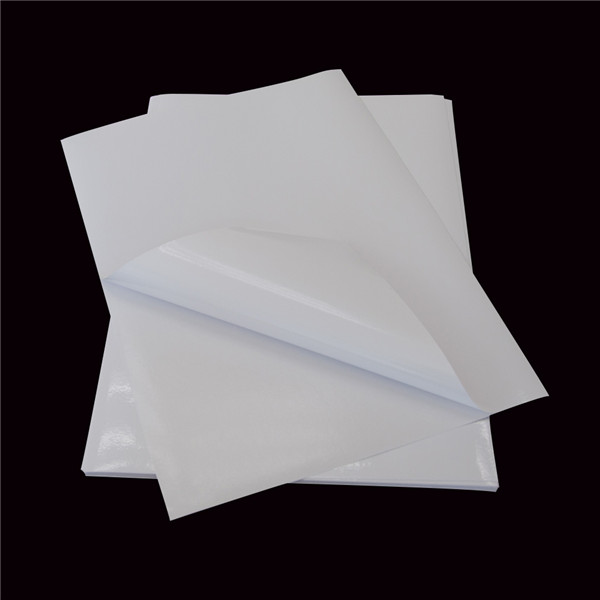
Here’s how photo paper stacks up against conventional printing paper:
| Feature | Photo Paper | Printing Paper |
|---|---|---|
| Surface Coating | Glossy, matte, resin, plastic | Light coating or uncoated |
| Image Quality | High-resolution, vibrant | Good for text and graphics |
| Recyclability | Limited (varies by type) | High (especially if uncoated) |
| Environmental Impact | Often high due to coating | Lower, especially FSC certified |
| Price Per Sheet | Higher | Lower |
If your print job doesn’t require gallery-level detail, opt for high-quality printing paper instead of glossy photo stock. It’s more sustainable and often more cost-effective.
Shifting to recyclable printing paper and eco-certified photo paper reduces landfill waste and supports a circular economy. It also helps companies comply with ESG goals and environmental standards.
Eco-conscious businesses are more attractive to customers. By choosing recyclable materials and reducing harmful coatings, companies can save on disposal costs and improve brand reputation.
Want to go green with your prints? Follow these tips:
Use matte photo paper instead of glossy
Print only what you need
Reuse old prints for crafts or packaging
Choose FSC-certified or PE-free materials
Buy from suppliers committed to sustainability
Educate your team or customers on disposal and reuse
Every choice counts—especially when made across thousands of pages.
The recyclability of photo paper depends on its coating and composition. While traditional glossy types are difficult to process, newer eco-friendly materials offer a sustainable alternative. Knowing what to look for—and making the right choice—helps reduce waste and protect the environment. Whether you’re printing for personal use or business, switching to recyclable printing paper or sustainable photo paper makes a real difference. Partnering with innovators like Foshan Lizheng New Material Co., Ltd. ensures you stay ahead in both quality and sustainability.
Most glossy photo papers are difficult to recycle because of their coating layers.
Matte photo paper may be easier to process than heavily coated glossy types, depending on the material structure.
Printing quality, durability, application requirements, and sustainability goals should all be considered.
Photo paper focuses on image quality, while synthetic paper provides higher water resistance and durability.
Standard photo paper is not recommended for outdoor environments without additional protection.
Request samples and test printing performance on your actual equipment before mass production.
Whether you need RC photo paper, inkjet photo paper, or customized printing materials, our team can help you solve your needs.
Request Free Samples