





Self-Adhesive Label Materials for Wine, Spirits & Craft Beer
Self-adhesive labels play an essential role in wine, spirits and craft beer packaging, combining shelf appeal, brand differentiation and product traceability. Beyond visual design, the facestock and adhesive must suit the bottle surface and production process, supporting ink adhesion, precise die-cutting and consistent dispensing on automated labeling lines. Good conformability and appropriate initial tack help labels follow glass contours and resist edge lifting, while constructions selected for condensation, wet exposure and scuff resistance help preserve appearance and legibility throughout distribution, chilled storage and serving.
Self-Adhesive Labels for Wine & Spirits
Label materials selected for shelf appeal, printing and bottle application
LIZHENG helps printers and converters match label constructions to glass bottles, production processes and intended use conditions.
Key considerations for your label project:
- Ink adhesion and clean die-cutting
- Consistent liner release and label dispensing
- Initial tack and conformability on curved glass
- Condensation, wet exposure and scuff resistance
Share your bottle details and printing requirements to discuss suitable materials and sample evaluation.


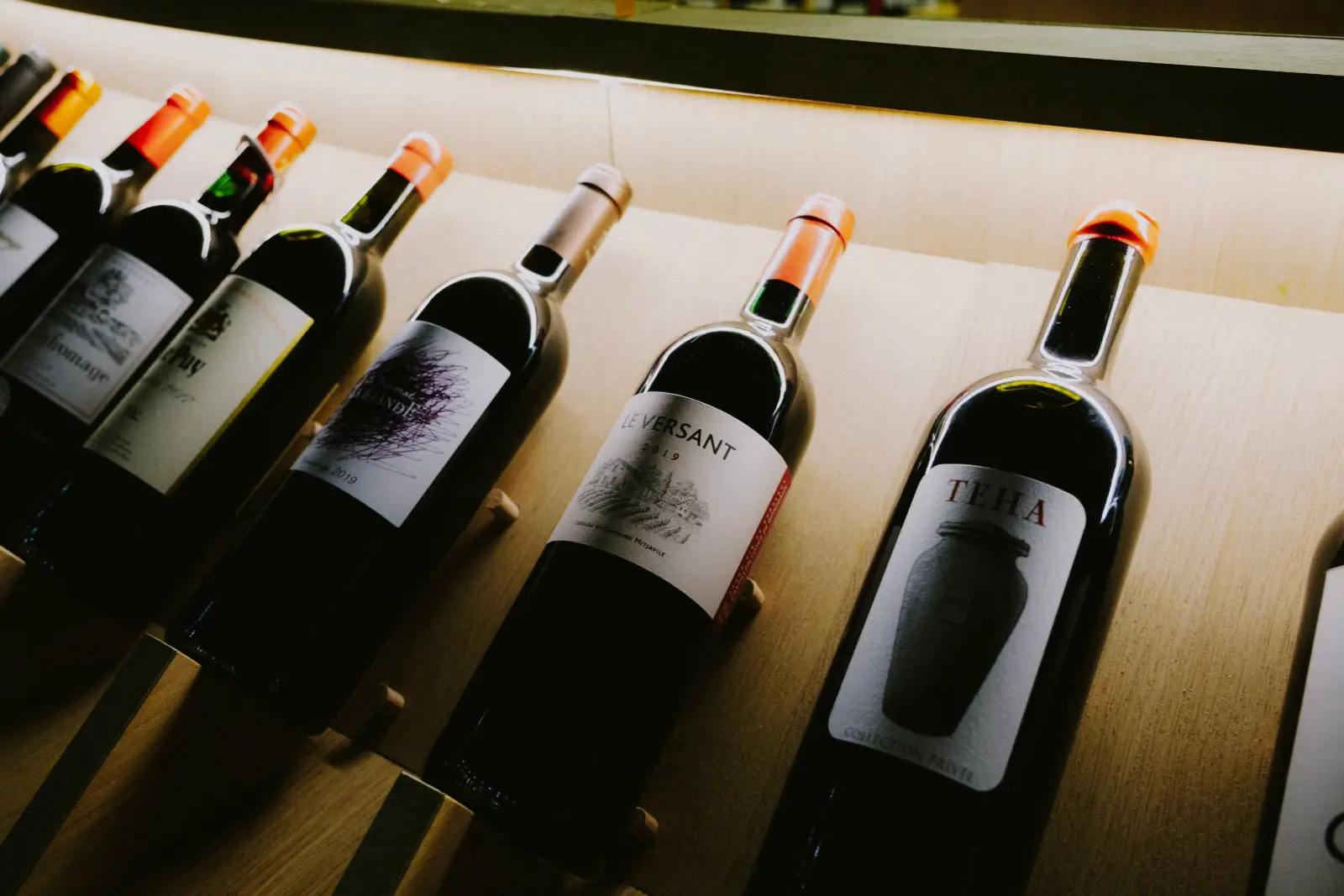
Red wine labels express a bottle’s character through texture, color and decorative detail. From understated designs to embossed and foil-accented finishes, the label should complement the bottle and remain presentable through packing, transport and shelf display. Consider print definition, finishing compatibility and scuff resistance when planning the application.
Red wine labels
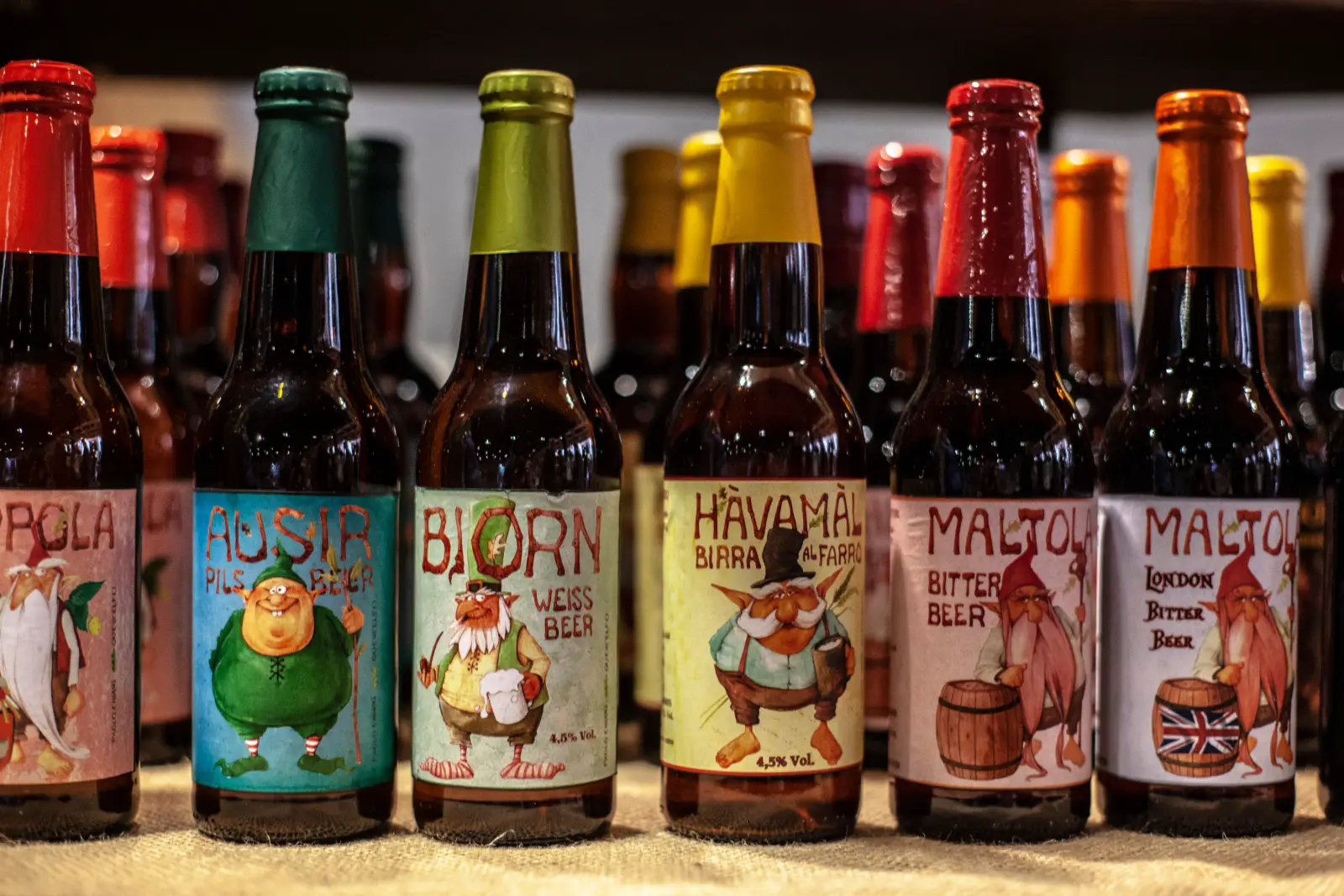
Craft beer labels give core ranges, seasonal brews and limited editions a recognizable identity. Bold graphics and varied finishes help distinguish each release, while refrigeration, condensation and handling place practical demands on the label. For returnable bottles, include the bottle-washing process and label-removal requirements in the application brief.
Craft Beer Labels
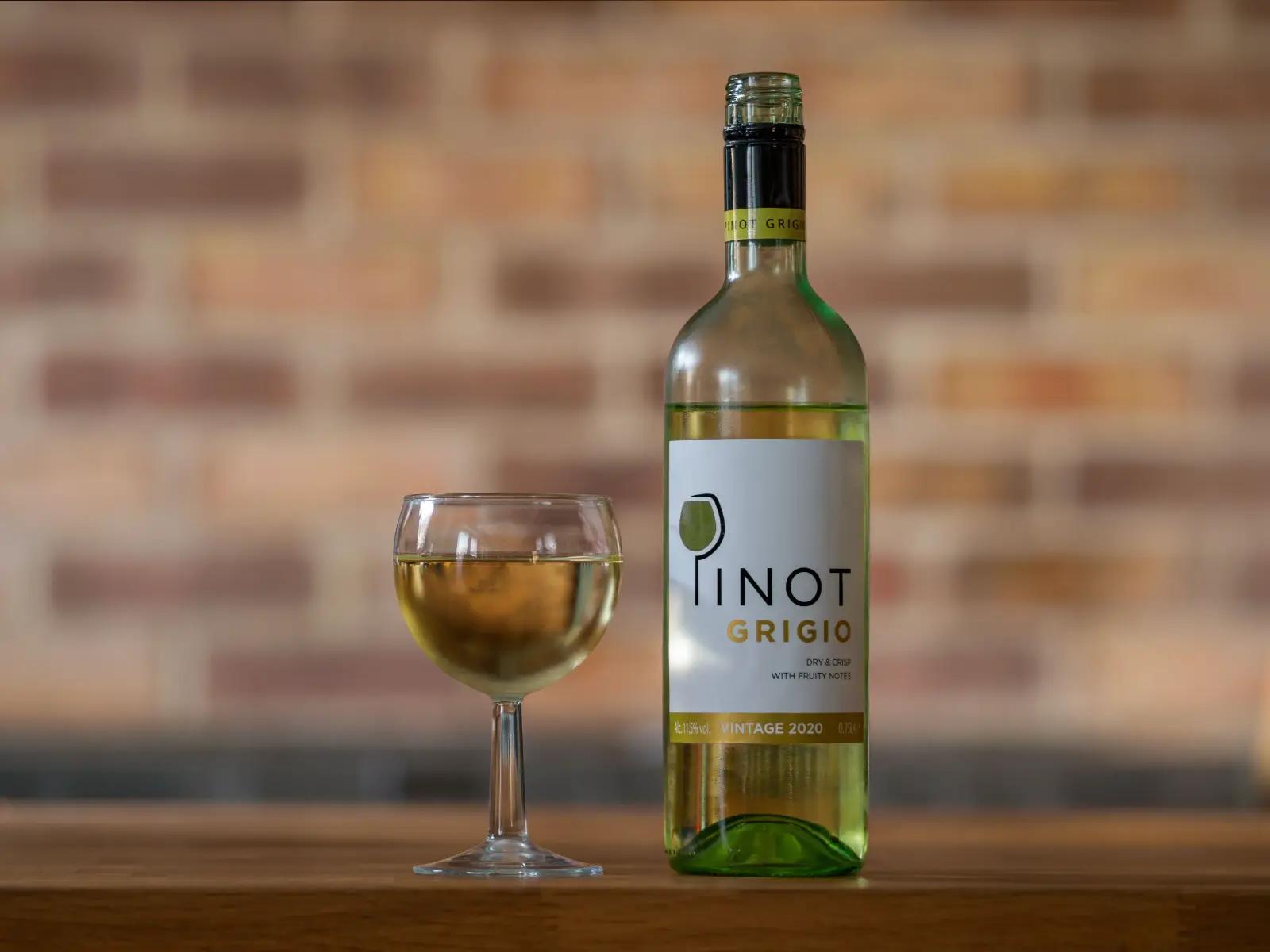
White and sparkling wine labels need to suit refrigerated storage, condensation and ice-bucket serving. The label construction should match the expected moisture exposure to help limit wrinkling, edge lifting and changes in appearance. Evaluate the finished label on the intended bottle under realistic storage and serving conditions.
White Wine Labels
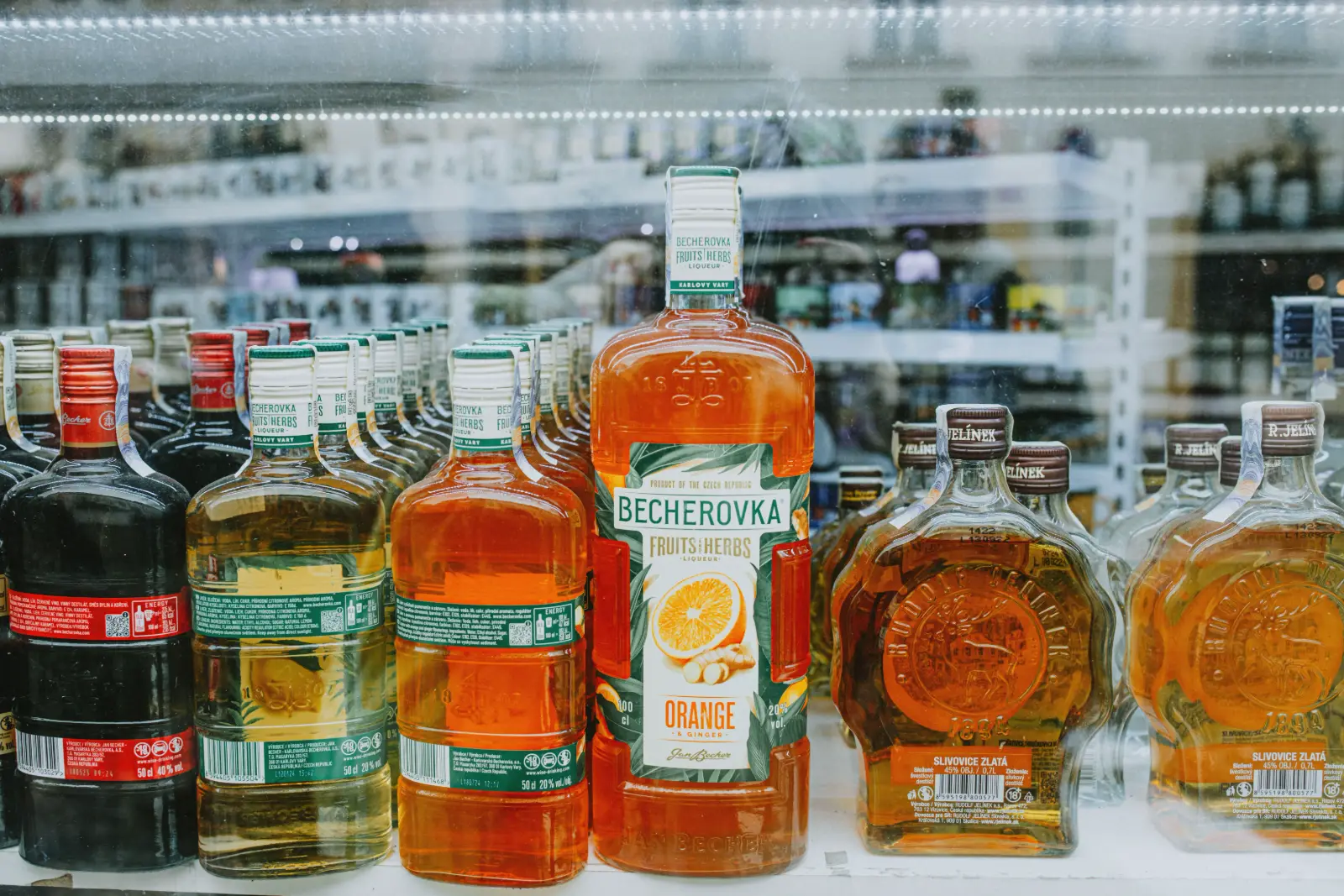
Spirits labels combine distinctive decoration with precise application on a variety of bottle shapes. Textured finishes, foil details and transparent labels can highlight the packaging while keeping product information clear. Consider bottle contours, adhesive clarity and finishing compatibility to achieve a clean, coordinated appearance across front, back and neck labels.
Spirits & Liquor Labels
FAQ
What should I consider when choosing labels for refrigerated bottles?
Consider both the conditions during labeling and the environment afterward. Bottle temperature, surface moisture and the time available for adhesive bonding can affect performance. Tell us whether labels will be applied before refrigeration or onto cold bottles.
Can wine and beer labels withstand ice-bucket exposure?
Why do labels lift at the edges on glass bottles?
Can bottle label materials support foil stamping and embossing?
WINE, SPIRITS & CRAFT BEER LABELS
Discuss the Right Label Material for Your Bottle
From shelf presentation to chilled serving, your label construction needs to suit the bottle, application process and expected exposure. Share your requirements with LZ New Material to discuss facestock, adhesive and finishing compatibility for your next project.
Tell Us About Your Label Application
- Bottle and label: beverage type, bottle material and shape, label size and desired appearance.
- Labeling and serving conditions: application temperature, dry or damp bottle surface, refrigeration, condensation or ice-bucket exposure.
- Printing and finishing: printing method, embossing, foil stamping, varnishing or other decorative requirements.
- Supply requirements: roll or sheet dimensions, estimated quantity and any existing issues such as edge lifting or label damage.
Material suitability should be confirmed on your actual bottles under the intended labeling, storage and serving conditions.
